Language Symptoms
Type: Transitory aura symptom — typically develops gradually over 5–20 minutes and resolves within 60 minutes.
What is it?
Language symptoms during migraine aura are temporary disruptions in your ability to understand or produce speech. These can range from mild difficulty finding the right word to severe inability to speak or understand language at all. Language difficulties can take several forms: receptive aphasia (trouble understanding what others say), expressive aphasia (trouble finding the words to speak), global aphasia (severe loss of both understanding and speech), anomia (forgetting specific words), or paraphasia (saying wrong words). These symptoms are frightening because they can resemble a stroke, but they always resolve completely as the aura ends.
What it feels like
Language symptoms typically develop suddenly during a migraine aura. If you have receptive aphasia, you hear people speaking but cannot understand what they mean, even though there’s nothing wrong with your hearing. If you have expressive aphasia, you know what you want to say but cannot find the words or your speech comes out garbled or slurred. You might be aware of the problem but unable to correct it. Some people experience both — complete loss of ability to understand or produce language. The symptoms are disorienting and anxiety-producing because communication becomes impossible. Speech typically becomes clearer as the aura resolves, with normal language returning within an hour.
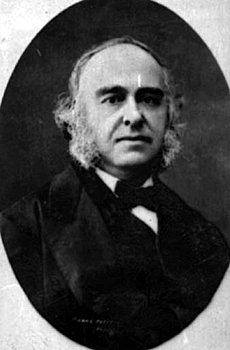 Pierre Paul Broca (1824–1888), who first described the frontal language area. Damage to this area produces difficulty producing speech (Broca’s aphasia).
 Karl Wernicke (1848–1904), who first described the temporal language area. Difficulty understanding language (Wernicke’s aphasia) is named after him.
How patients describe it
“My very first was at work on 4th June this year. It was so bad that an ambulance was called and I was taken off to hospital… I couldn’t stand up and my speech was slurred. I was taken off to the medical room for a lie down, but things got worse. I developed a headache and couldn’t focus properly. I tried to stand up but just kept falling over, as though as I was drunk.” — D.G.
“My wife has experienced slurred speech, confusion, unsteady gait, on occassion and all tests (mri’s, cat’s, brain spect’s) show nothing unusual… Her neurologist says this could be atypical migraines.” — B.
“I often begin to have slurred speech and dizziness for about two days before I get a migraine. I guess I should be glad to have the forewarning, but I have never heard of the symptoms starting that far in advance. The slurred speech and dizziness seem to be getting more intense in the last year, but it is a good tool for predicting my migraines.” — P.S.
Subtypes
Receptive aphasia
Difficulty understanding spoken language. You hear words but cannot make sense of their meaning, even though your hearing itself is normal.
Expressive aphasia
Difficulty producing speech or finding the right words. You know what you want to say but cannot access the words or your speech comes out scrambled.
Global aphasia
Severe disruption of both understanding and speech production simultaneously. This is the most severe form and causes near-total inability to communicate.
Anomia
Difficulty recalling specific words, often for objects or names. You might describe the object or know what you mean but cannot retrieve the word itself.
Paraphasia
Speaking incorrect words automatically — wrong words come out instead of what you intended, sometimes creating nonsensical or garbled speech.
Related symptoms
- Slurred speech or dysarthria
- Dizziness or vertigo
- Weakness on one side of body
- Confusion or difficulty concentrating
Clinical note
Language symptoms during migraine aura can be alarming because they resemble stroke symptoms. However, these symptoms always resolve completely and quickly as the migraine aura progresses. If you experience new language symptoms, seek immediate medical evaluation to rule out stroke or other serious conditions. Once stroke and other emergencies are excluded, language difficulties during a migraine aura are a recognized symptom and do not indicate permanent language damage.
If this is the first time you experience these symptoms, or they feel different from previous episodes, seek medical evaluation to rule out other causes.